- Zuba Realms
- Posts
- 4 Fantasy Books That Rival (Or Surpass) The Lord of the Rings
4 Fantasy Books That Rival (Or Surpass) The Lord of the Rings
Epic Fantasy Series That Offer Something Tolkien Never Did

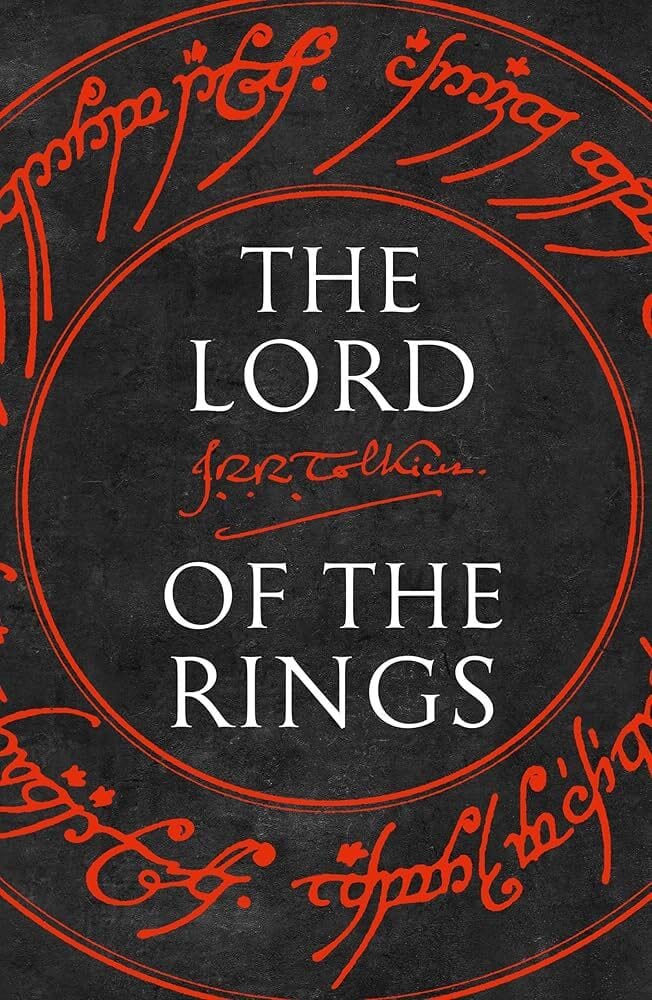
J.R.R. Tolkien's The Lord of the Rings stands as one of the best-selling books of all time, establishing many conventions that define modern fantasy. Peter Jackson's acclaimed film trilogy introduced even more audiences to Middle-earth's rich worldbuilding, extraordinary characters, and complex lore. Yet Tolkien's dense prose isn't for everyone, and when that's the case, several other fantasy series offer equally compelling—some would argue superior—experiences.
A Song of Ice and Fire: Political Drama at Its Finest
George R.R. Martin's A Song of Ice and Fire depicts a brutal struggle for control of the Iron Throne ruling the Seven Kingdoms. The first novel, A Game of Thrones, inspired HBO's famous series that ran eight seasons between 2011 and 2019. Martin's acclaimed series currently consists of five novels, with the sixth installment, The Winds of Winter, in progress since at least 2012.
Martin delivers solid plots, characters, and worldbuilding with immaculate depth. The Iron Throne's political, economic, and social implications receive intrinsic exploration through countless character perspectives. For being fiction, Westeros achieves remarkable believability—its history, cultures, and conflicts feel grounded in human nature's darker impulses.
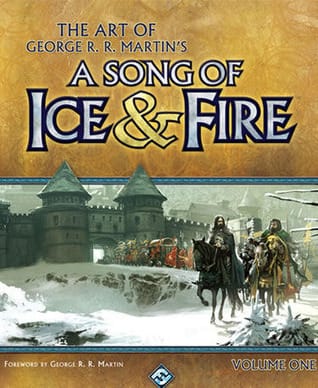
What potentially elevates A Song of Ice and Fire above The Lord of the Rings is its moral complexity. Where Tolkien presents clear good versus evil, Martin's world operates in shades of gray. Heroes make terrible choices, villains have understandable motivations, and nobody is safe from consequences. This unpredictability, combined with Martin's willingness to subvert fantasy tropes, creates something that feels fresh despite its medieval setting.
Harry Potter: Worldbuilding That Jumps Off the Page
J.K. Rowling's seven-book series follows Harry Potter's transformation from unsuspecting 11-year-old to one of wizardry's most powerful figures. Each book covers one year at Hogwarts, creating a coming-of-age structure that resonates across generations. The franchise expanded into eight films (2001-2011) and an upcoming HBO series projected for 2027.
Many readers prefer Rowling's novels to Tolkien's for several reasons. The Wizarding and Muggle worlds expand with such rich detail that they translate seamlessly into reality—witness the success of theme park attractions like Hogsmeade and Diagon Alley. Main characters remain relatable despite their magical abilities, the lore proves incredibly deep, and the classic good-versus-evil conflict receives masterful personification through Harry and Voldemort.
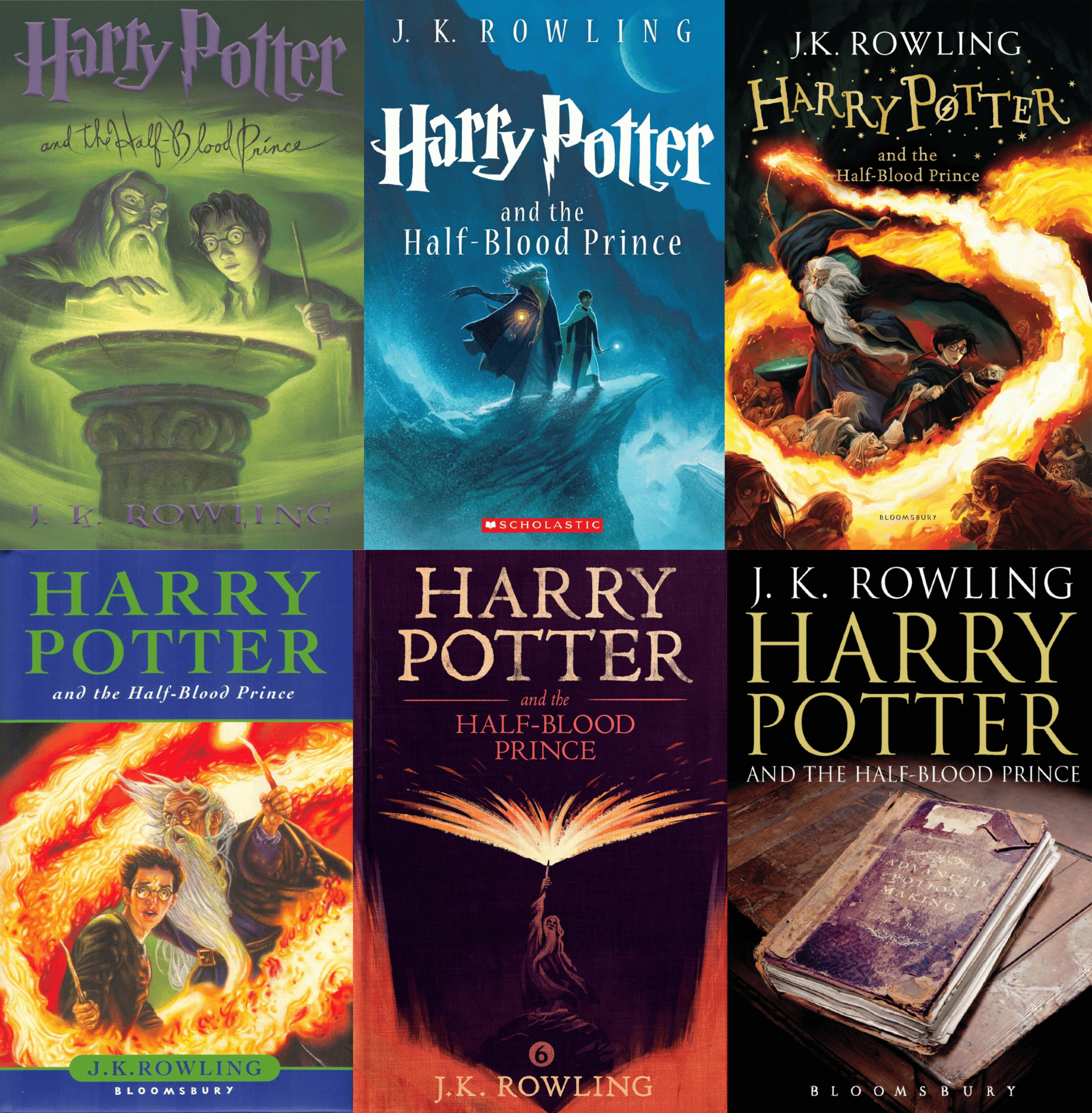
The series excels at making magic feel intimate and personal rather than epic and distant. Where The Lord of the Rings operates on a grand, mythological scale, Harry Potter grounds its fantastical elements in recognizable emotions: friendship, loss, identity, and belonging.
The Wheel of Time: Unique Fantasy at Maximum Scale
Robert Jordan's 14-installment epic most closely resembles The Lord of the Rings in scope and detail. The series revolves around Moiraine Damodred, an Aes Sedai searching for the Dragon Reborn—eventually identified as Rand al'Thor, who must master his powers without destroying the world. A Prime Video adaptation ran three seasons between 2021 and 2025.
Like Tolkien's work, The Wheel of Time fills pages with meticulous details establishing its world. Intricate groups follow extremely fleshed-out rules, while multiple character perspectives explore diverse thoughts and behaviors across a vast canvas. This series stands miles above others because nothing feels derivative—despite featuring a "chosen one" narrative, the exclusive worldbuilding creates something genuinely original.
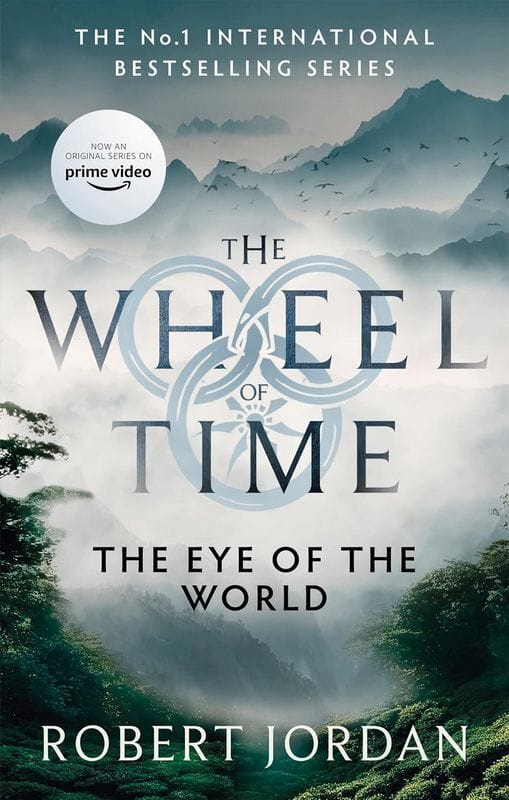
Jordan constructs a magic system based on channeling the One Power through distinct male and female halves, creating unique dynamics unavailable in other fantasy worlds. The cultural diversity across nations, each with distinct customs and power structures, rivals anything Tolkien created.
Dune: Where Fantasy Meets Science Fiction
Frank Herbert's epic series blends fantasy and science fiction into something transcendent. The first novel (1965) and sequels follow Paul Atreides rising in power and influence concerning the desert planet Arrakis. Denis Villeneuve currently directs a film trilogy starring Timothée Chalamet, with previous adaptations spanning decades.
The main story spans 10 books, each exploring complex themes with massive intricacies. Herbert crafts everything with immense passion, deep lore, and psychological depth that rewards careful reading. While Paul serves as protagonist, numerous people, groups, and factions deserve recognition, all explored with timeless relevance to power, religion, and ecology.
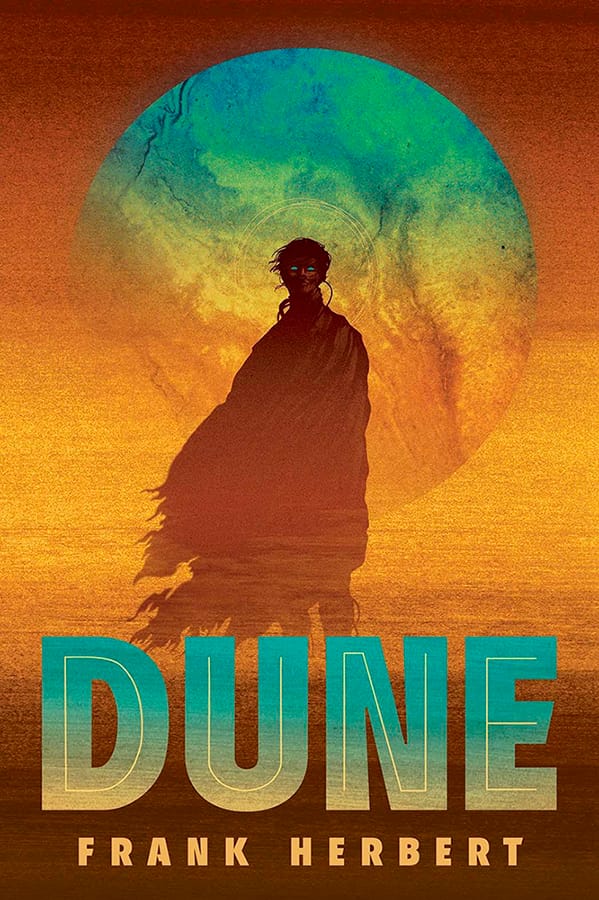
Dune's philosophical depth arguably surpasses The Lord of the Rings. Herbert examines how charismatic leaders manipulate followers, how ecological systems shape civilizations, and how prophecy becomes self-fulfilling through belief. These explorations feel more intellectually ambitious than Tolkien's straightforward quest narrative.
The Takeaway
None of these series objectively "beats" The Lord of the Rings—such comparisons ultimately depend on personal taste. However, each offers something Tolkien's trilogy doesn't: Martin provides moral ambiguity, Rowling delivers intimate magical realism, Jordan creates unprecedented originality, and Herbert blends philosophy with adventure. For readers bouncing off Tolkien's style, these alternatives prove fantasy's incredible diversity.
WEDNESDAY WISDOM
NEW PODCAST EPISODE!!!
WE Got a chance to sit down with nerdcore rapper Drew Jackson (@drewjackson100 on all the socials) and talk about all the things; from the day he discovered #nerdcore to his nerdcore banger Jabber.
You can hear the entire episode on our Zuba YouTube channel: