- Zuba Realms
- Posts
- 8 Sci-Fi Movies That Everyone Loves: The Most Universally Acclaimed Films in the Genre
8 Sci-Fi Movies That Everyone Loves: The Most Universally Acclaimed Films in the Genre
The Movies That Defined Science Fiction at Its Absolute Best

Science fiction has produced some of cinema's most polarizing films—movies that inspire passionate debates about their merits and flaws. But certain sci-fi films transcend controversy to achieve something rare: near-universal love. These eight movies represent the genre at its absolute best, beloved by critics and audiences alike for their imaginative worldbuilding, emotional resonance, and groundbreaking achievements in filmmaking.
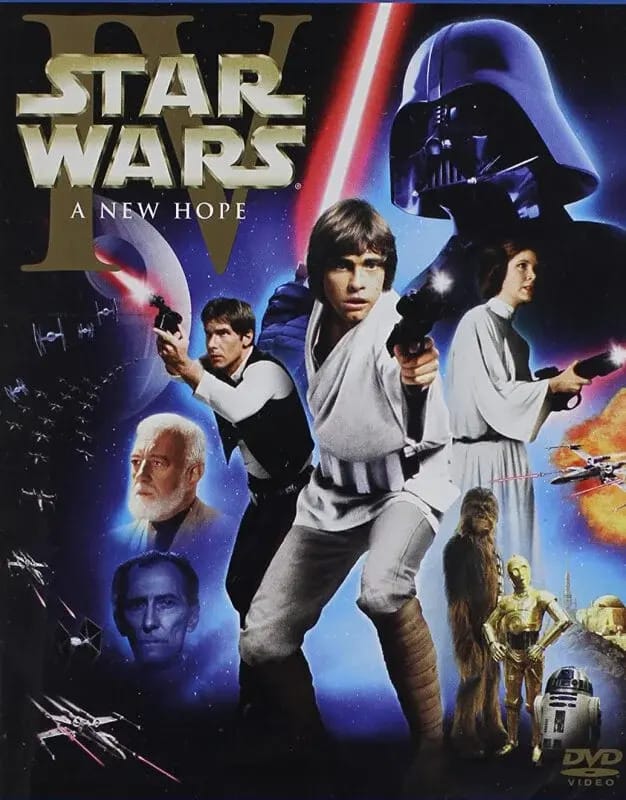
Star Wars: Episode IV – A New Hope (1977)
George Lucas's space opera didn't just launch a franchise—it revolutionized cinema itself. Following farm boy Luke Skywalker's journey to rescue Princess Leia and destroy the Empire's Death Star, the film pioneered filmmaking techniques in sound design, special effects, and model work that became industry standards. What seemed like a risky gamble in 1977 became an unexpected blockbuster that grew into a global multimedia empire spanning decades. The film's combination of mythic storytelling, memorable characters, and groundbreaking visuals created a cinematic masterpiece that continues inspiring new generations of fans.
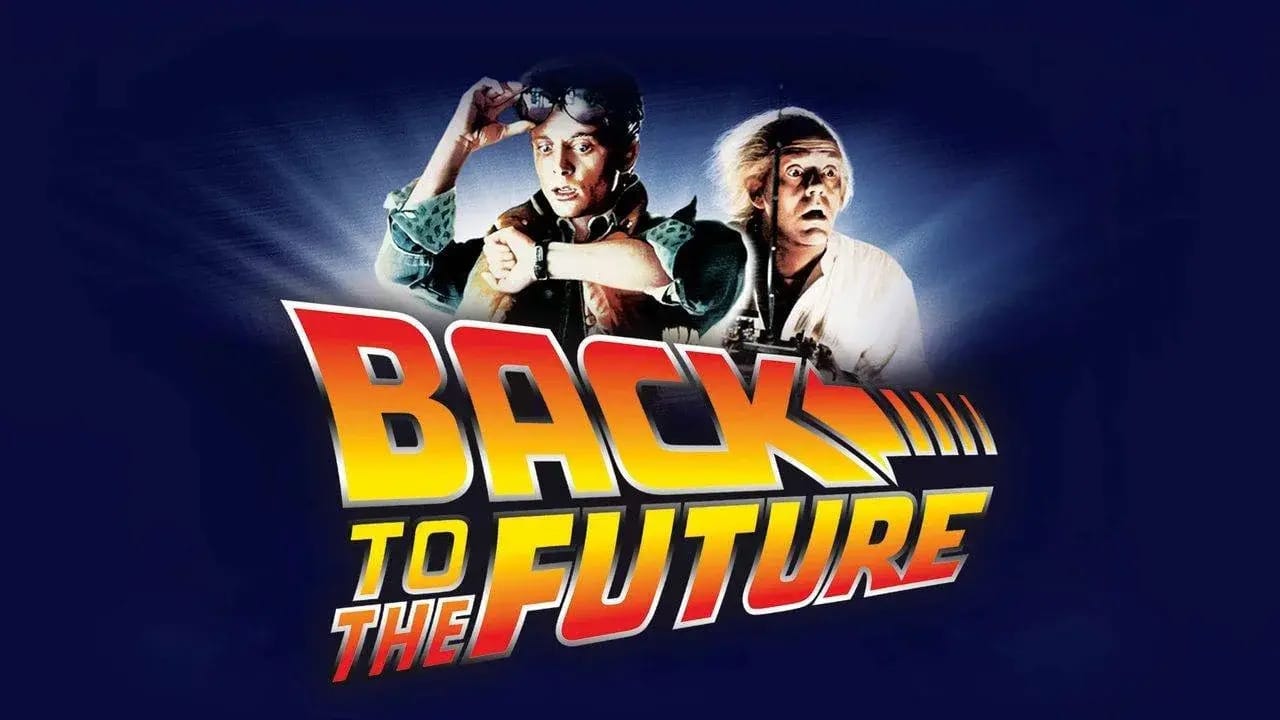
Back to the Future (1985)
Robert Zemeckis crafted the definitive time travel comedy with this adventure starring Michael J. Fox as Marty McFly and Christopher Lloyd as Doc Brown. When Doc's time-travel experiment sends Marty back to 1955, where he encounters his teenage parents, the film brilliantly balances comedy, thrills, and genuine heart. The DeLorean time machine became a cultural icon, while the film's energetic pacing and clever script set the standard for time travel stories. Its massive success spawned two sequels and an enduring pop culture legacy that proves some movies are truly timeless.
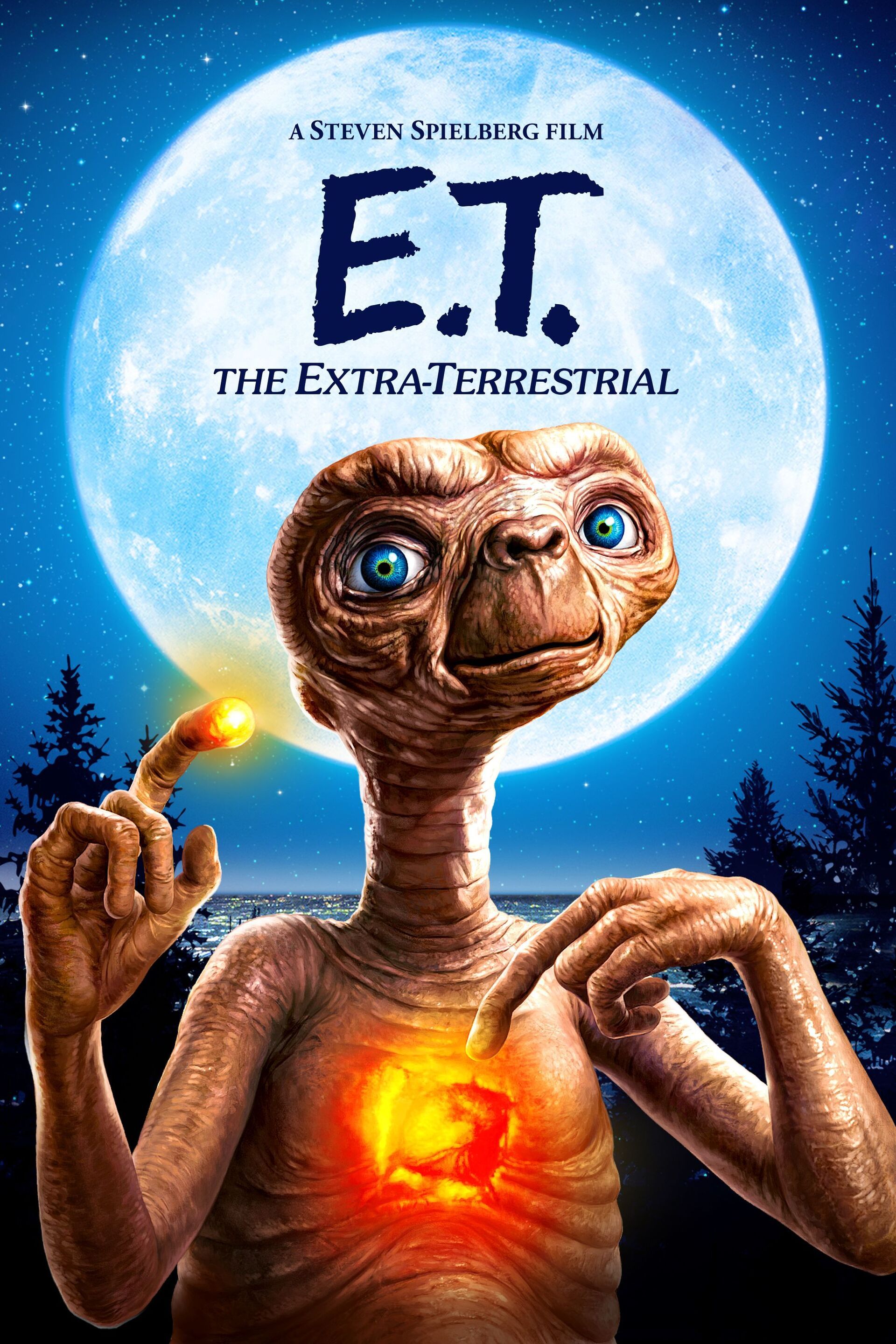
E.T. the Extra-Terrestrial (1982)
Steven Spielberg's masterpiece about a lonely boy befriending a stranded alien redefined how cinema portrays extraterrestrial life. Rather than invasion or threat, Spielberg crafted a moving tale about connection, friendship, and home. Young Elliott's relationship with the homesick creature melted hearts worldwide, making E.T. the highest-grossing film of its era until Jurassic Park claimed the title in 1993. The film's magical blend of wonder, adventure, and emotion earned four Academy Awards and cemented Spielberg's reputation as a master storyteller who could make audiences believe in the impossible.
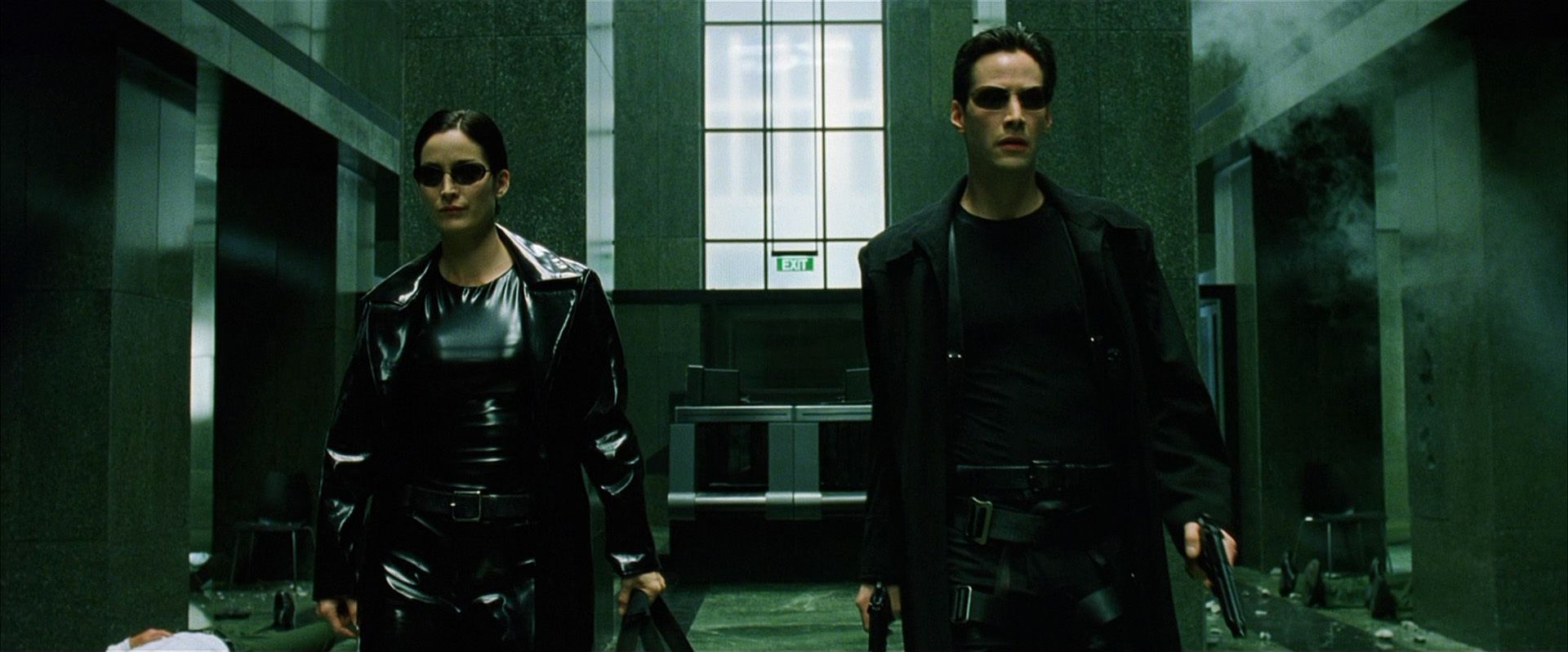
The Matrix (1999)
The Wachowskis revolutionized action cinema with this cyberpunk thriller about Neo, a hacker who discovers reality is a simulation created by machines to harvest human energy. Keanu Reeves delivered his most iconic performance in a film that combined philosophical depth with jaw-dropping action choreography inspired by martial arts and anime. The groundbreaking "bullet time" effect became instantly iconic, while the film's exploration of reality, consciousness, and rebellion resonated across cultures. Four Academy Awards and 25+ years of influence prove The Matrix redefined what sci-fi action could achieve.
Alien (1979)
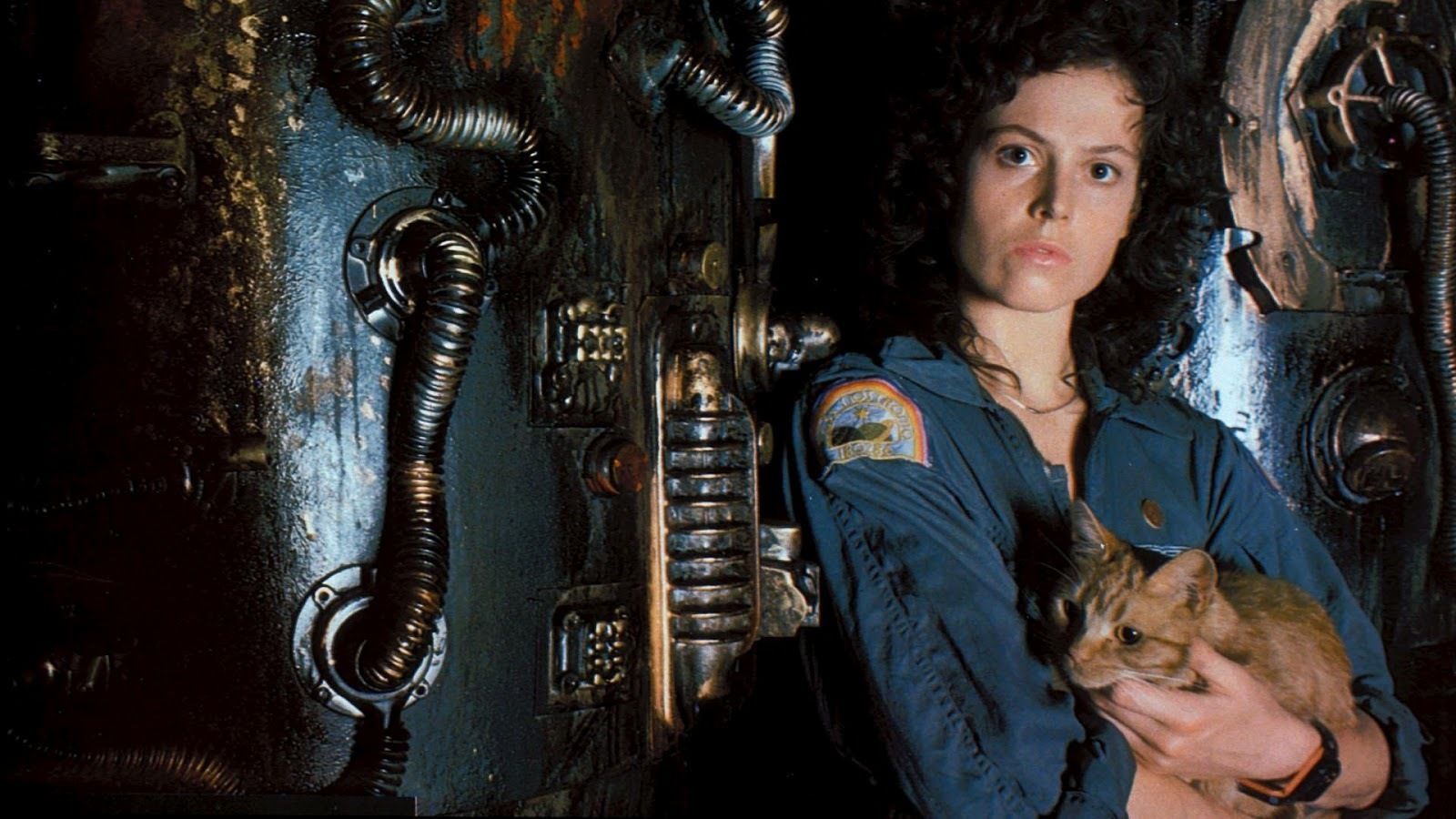
Ridley Scott's sci-fi horror masterpiece transformed the genre by isolating a commercial spacecraft crew with a perfect killing machine. While initial reviews were mixed regarding its gore, subsequent reevaluation recognized Alien as one of the most influential sci-fi films ever made. The blend of hard science fiction, claustrophobic horror, and stark industrial design created an immersive nightmare that influenced decades of genre filmmaking. Sigourney Weaver's Ripley became an iconic action heroine, with her character arc forming the narrative backbone of the entire franchise.
Terminator 2: Judgment Day (1991)
James Cameron's sequel surpassed its acclaimed predecessor by transforming Arnold Schwarzenegger's T-800 from villain to protector. When Skynet sends the liquid metal T-1000 back in time to kill young John Connor, the reprogrammed Terminator must defend him. The film's state-of-the-art visual effects marked the transition from practical effects to CGI, revolutionizing Hollywood's approach to spectacle. Four Academy Awards and massive box office success proved that sequels could exceed originals when crafted with vision and ambition.

WALL-E (2008)
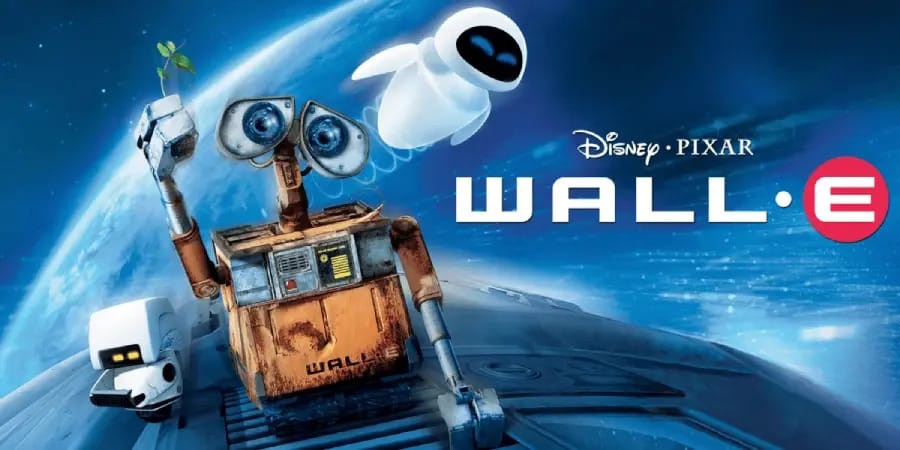
Pixar's romantic sci-fi tale about a trash-compacting robot left alone on abandoned Earth demonstrated that animation could tackle profound themes while entertaining all ages. Using minimal dialogue and relying on robotic sounds and body language, director Andrew Stanton crafted a charming love story with thought-provoking environmental and social commentary. The film's first live-action segments marked new territory for Pixar, while its emotional depth and stunning visuals earned widespread acclaim. It stands among the greatest animated films of the past 50 years, proving that sci-fi storytelling transcends medium.
Interstellar (2014)
Christopher Nolan's epic space odyssey follows ex-NASA pilot Joseph Cooper leading a team through a wormhole near Saturn, searching for humanity's new home as Earth faces extinction. The film weaves complex scientific concepts about time dilation, gravity, and dimensions with intimate family drama, creating something far beyond typical sci-fi spectacle. Matthew McConaughey's emotional performance grounds the cosmic scale in human experience, while Hans Zimmer's score and stunning visuals create an overwhelming sensory experience. Since 2014, Interstellar has been recognized as one of the 21st century's most original and profound sci-fi films.

The Universal Appeal
These eight films share common elements that transcend typical genre boundaries: compelling human stories amid extraordinary circumstances, groundbreaking technical achievements, and themes that resonate across cultures. Whether exploring time, space, artificial intelligence, or alien life, each film uses science fiction concepts to examine fundamental human experiences—love, sacrifice, survival, and hope. That's why they've achieved something rare in cinema: genuine universal love that spans generations and cultures.