- Zuba Realms
- Posts
- The Dystopian Show That Could Finally Match The Hunger Games Has Been in Development Hell for 5 Years
The Dystopian Show That Could Finally Match The Hunger Games Has Been in Development Hell for 5 Years
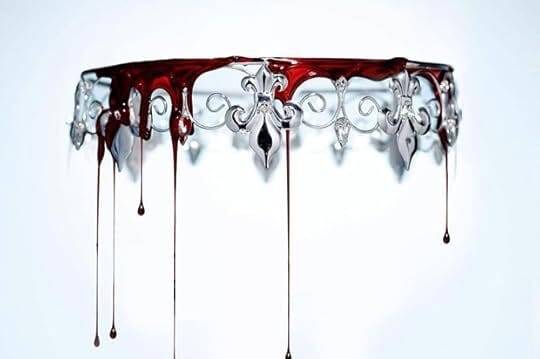
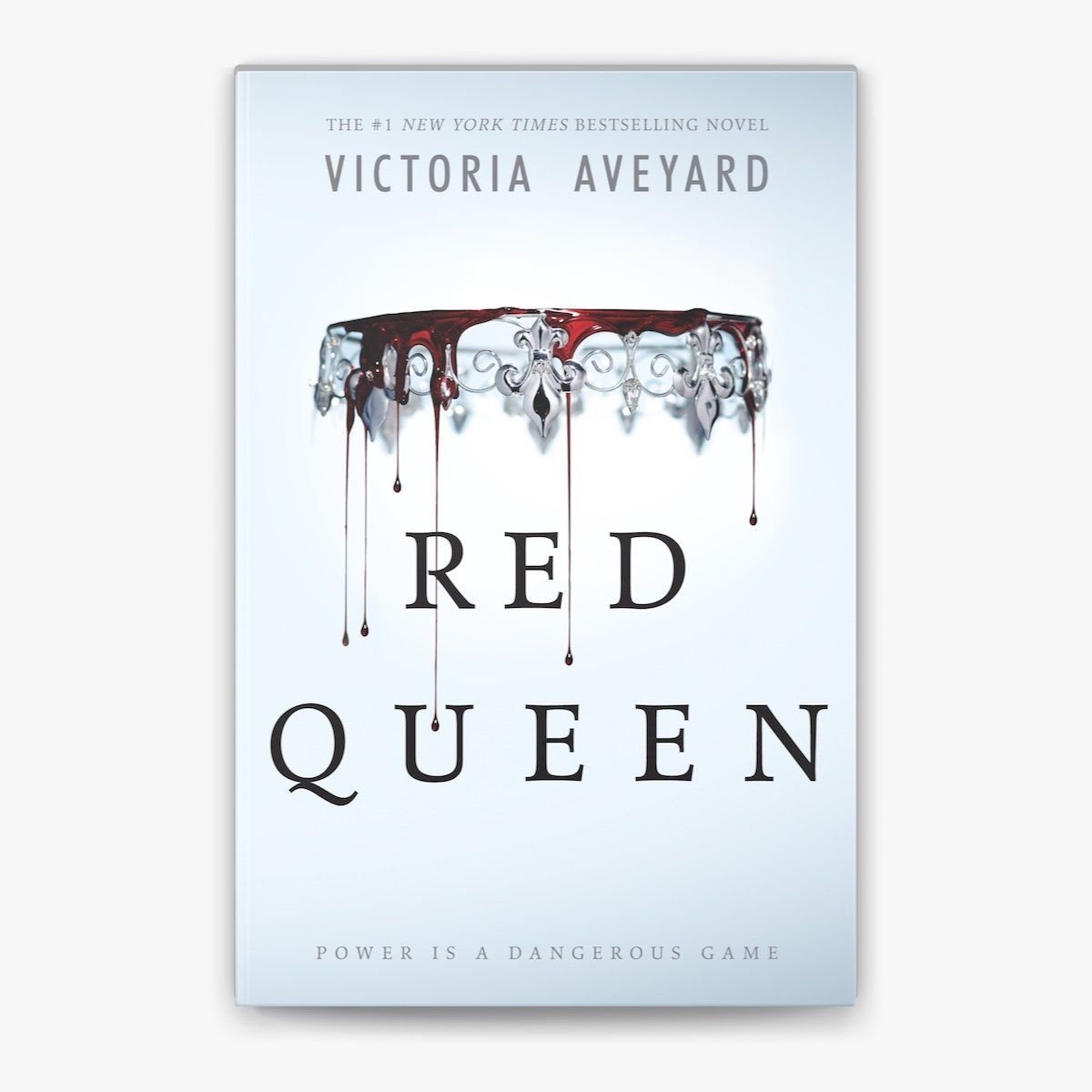
How Red Queen slipped into development limbo
Ever since The Hunger Games proved that dystopian young adult adaptations could be both critically acclaimed and commercially massive, Hollywood has been chasing that lightning in a bottle. The 2023 prequel The Ballad of Songbirds & Snakes proved the franchise still has pull, and with another prequel (Sunrise on the Reaping) on the horizon, Suzanne Collins' world continues to dominate the dystopian landscape.
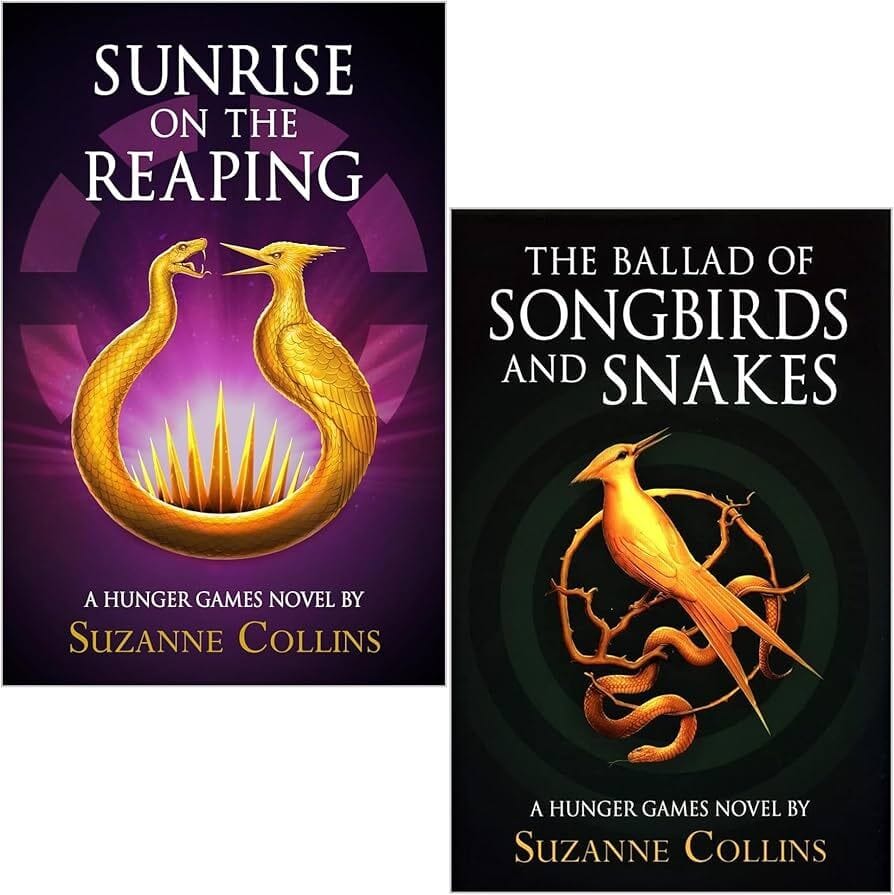
But there's another book series that deserves to stand alongside Katniss Everdeen's revolution—and it's been stuck in development hell for half a decade.
Five Years and Counting
Back in 2019, fans of Victoria Aveyard's Red Queen series celebrated when news broke that the fantasy dystopian novels were being adapted for television. Elizabeth Banks was reportedly attached as producer and director, which felt like the perfect match. The books had the fanbase, the premise was explosive, and Banks had proven she could handle big YA adaptations.
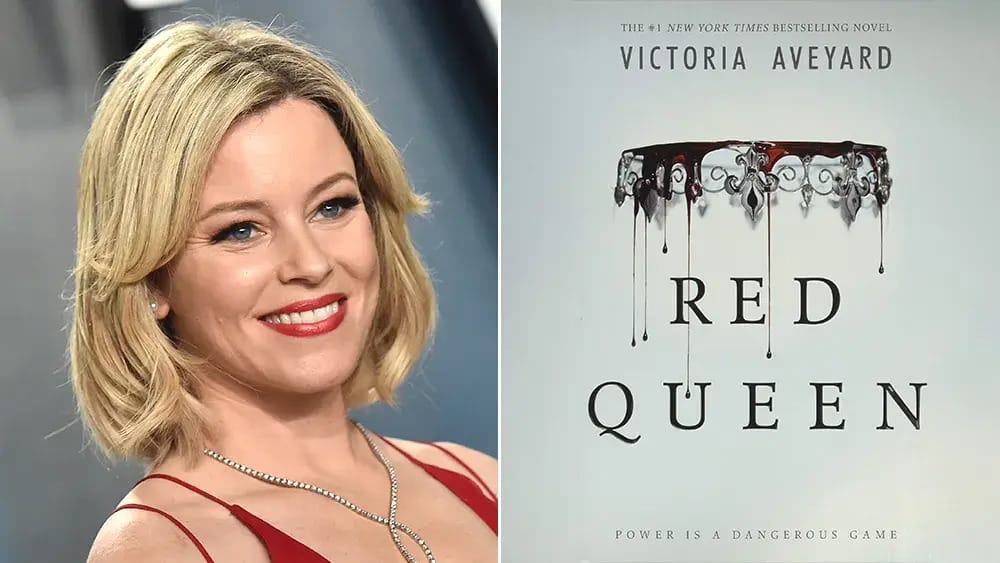
Elizabeth Banks
Then... silence. Five years later, there's been virtually no news about the project. No casting announcements, no production updates, nothing. Meanwhile, fans continue discussing the adaptation's potential and holding onto hope that it will finally become the next great dystopian hit.
The question is: what's taking so long? And more importantly, why does this adaptation matter so much?
What Makes Red Queen Special
Red Queen follows Mare Barrow, a teenage thief living in poverty who dreads the day she'll be conscripted into the military. Her world operates on a brutal class system: the elite Silver-blooded nobles possess magical elemental powers, while the Red-blooded commoners are powerless and oppressed.
Everything changes when Mare discovers she has electrical abilities—powers that should be impossible for someone with Red blood. Suddenly thrust into the world of Silver politics and deception, she's forced to masquerade as a lost Silver noble while secretly becoming entangled in a dangerous rebellion that could tear the entire system apart.
What sets Red Queen apart from other dystopian narratives is how it layers its world-building. The blood-based class divide isn't just window dressing—it's a stark visual representation of inequality and oppression. Mare's existence as a Red with powers doesn't just make her special; it fundamentally challenges the entire social order and forces everyone to question the lies they've been told about power and worth.
Why This Adaptation Matters
Red Queen deserves a television adaptation because it could bridge multiple genres in a way few other properties can. It appeals to fantasy fans with its elemental magic system, sci-fi enthusiasts with its speculative world-building, and dystopian lovers with its revolutionary narrative. That broad appeal is exactly what made The Hunger Games work—it transcended its genre to become something bigger.
The series also doesn't shy away from moral complexity. Characters across the spectrum—both Red and Silver—are portrayed as flawed, complicated people rather than simple heroes and villains. The revolutionary plot is thrilling and action-packed, but it's also brutal and unflinching about the costs of uprising. This realism in depicting rebellion sets it apart from more sanitized YA fare.
Most importantly, Red Queen addresses issues that resonate deeply in our current moment. While it includes magical abilities and fantastical elements, the core story is a disturbingly realistic portrayal of authoritarian rule and extreme wealth inequality. The entitled elite class that degrades and oppresses the majority? That feels uncomfortably familiar.
Learning from The Handmaid's Tale
Among praised dystopian television, The Handmaid's Tale stands out for its unflinching portrayal of a world where the wealthy elite feel entitled to degrade and control everyone else. It's difficult to watch, but it's powerful precisely because it reflects real-world issues: prejudice, systemic oppression, and harmful class divides.
Red Queen operates in similar thematic territory but with a young adult lens and fantasy elements that make the medicine go down easier. It has the potential to reach younger audiences who might not engage with something as heavy as The Handmaid's Tale, while still delivering powerful social commentary.
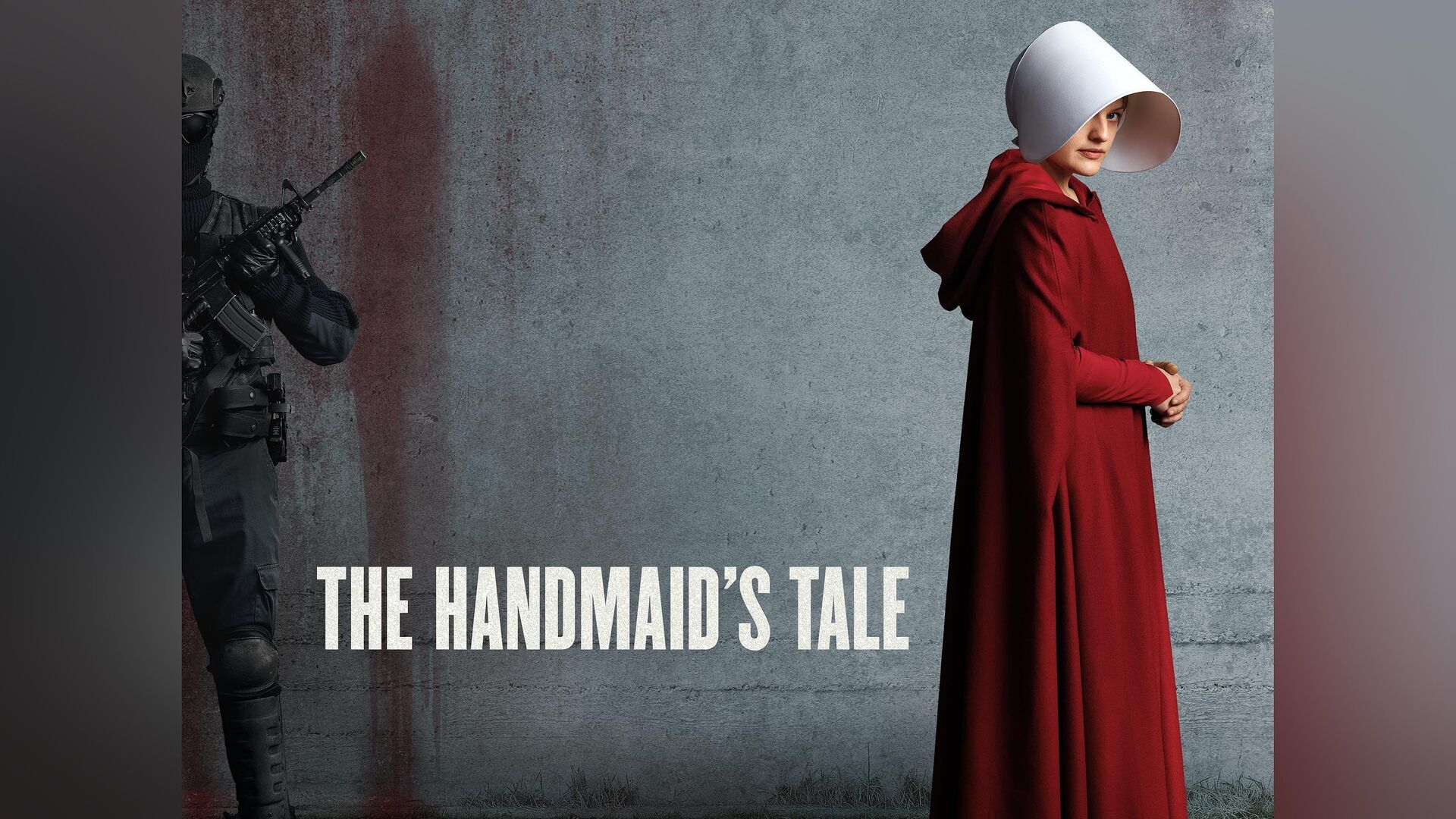
The best dystopian stories don't just imagine terrible futures—they reflect the problems we're already living with. Red Queen understands this. The magical powers are the hook, but the real story is about how systems of oppression maintain themselves and what it takes to dismantle them.
The Potential to Dominate
If done right, a Red Queen adaptation wouldn't just be another dystopian show—it could redefine the genre for television in the same way The Hunger Games did for film. The series has everything needed for success: a built-in fanbase, a compelling protagonist, a richly developed world, spectacular visual potential (imagine the power displays on screen), and themes that matter.
The question is whether it will ever actually happen. Five years of development silence isn't necessarily a death sentence—sometimes projects take time to get right. But it's frustrating for fans who've been waiting patiently since 2019 for any sign of progress.
What's at Stake
Young adult fantasy dystopian television could use a fresh infusion of energy. While The Hunger Games continues its reign and properties like Shadow and Bone have found audiences, there's room for something new that combines the best elements of both fantasy and dystopia.
Red Queen could be that something. It has the world-building depth to sustain multiple seasons, the character development to keep audiences invested, and the social relevance to spark conversations beyond simple entertainment. Mare Barrow's journey from thief to revolutionary could resonate with viewers the way Katniss Everdeen's did.
But none of that matters if the show never makes it to screens.
The Waiting Game
So here we are, five years after the initial announcement, still hoping this adaptation will eventually materialize. Elizabeth Banks hasn't publicly walked away from the project, which is encouraging. The books remain popular, which helps. But without concrete news, it's hard to stay optimistic.
For fans of dystopian fiction, Red Queen represents something special—a chance to see a beloved series brought to life in a way that could match or even surpass The Hunger Games' success. The story is there. The audience is waiting. Someone just needs to actually make it happen.
Until then, we'll keep rereading the books and imagining what could be. Because if there's one thing dystopian fans are good at, it's holding onto hope even when the odds seem impossible.
Sound familiar?